A Field Guide to Single-Origin Coffee: From Yirgacheffe to Huila
Coffee is an agricultural product, which means it tastes like a place. A short atlas of the five regions worth ordering this season — and what to expect in the cup.
Amaya Okonkwo
April 9, 2026
9 min
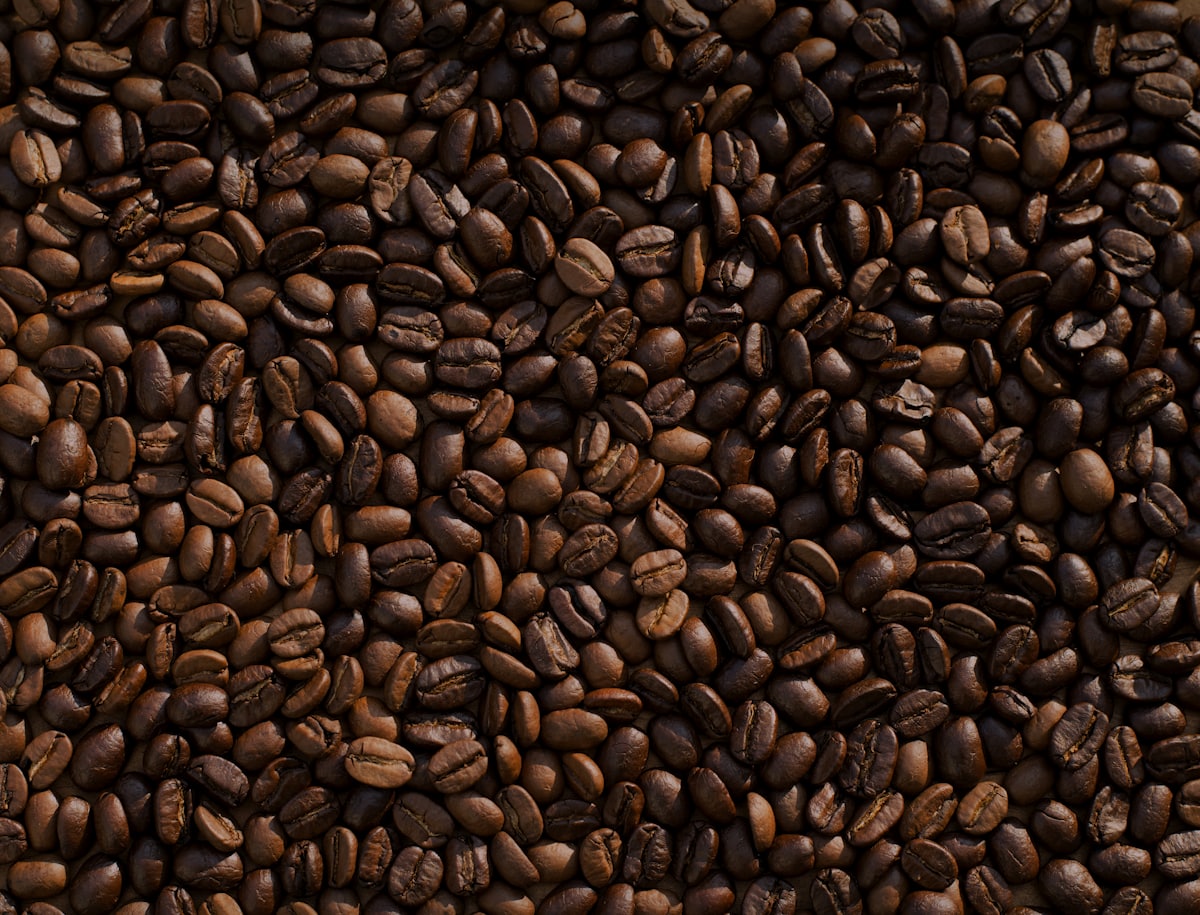
Most people drink coffee for a long time before they realize it is an agricultural product. We treat it like a beverage that emerges, fully formed, from a brown bag. We forget that it grew on a tree, at an altitude, in a soil type, under a particular kind of rain. We forget that it tastes like a place.
The shorthand for that idea is single origin: a bag of coffee sourced from a single farm, cooperative, or microregion, rather than blended across continents. Single-origin coffee is not better in the abstract. It is more legible. You can taste the geography. That is the point.
Here are five regions worth ordering this season, and what each one is going to do to your morning.
Yirgacheffe, Ethiopia
Ethiopia is where coffee comes from. Not metaphorically — literally. Wild Arabica trees still grow in the forests of the Kaffa region, and Yirgacheffe sits in the highlands of the south, around 2,000 meters above sea level. The coffee from this area is washed or natural-processed, and at its best it tastes like a perfume you can drink: jasmine, bergamot, peach, sometimes blueberry on the natural lots. A washed Yirgacheffe through a pour-over is the closest thing to a religious experience the coffee world reliably offers.
Huila, Colombia
Colombian coffee has a reputation for being dependable in a way that almost sounds like an insult. It is not. Huila, in the southwest of the country, produces some of the most balanced and approachable specialty coffee on earth: dark chocolate, caramel, ripe stone fruit, a clean finish. If you are introducing someone to single-origin coffee for the first time, start with a Huila washed lot. Nobody has ever disliked one.
“Coffee is an agricultural product, which means it tastes like a place. The cup in front of you is a map.”
Gesha, Panama
Gesha is technically a varietal rather than a region, but it is so closely associated with the Boquete highlands of Panama that the two have fused in coffee culture. Gesha tastes like nothing else — it is floral in the way perfume is floral, with notes of bergamot, lychee, and tea-like delicacy. It is also catastrophically expensive. A high-end Panamanian Gesha at auction can fetch over a thousand dollars per pound. Try a cup once, on someone else’s dime if possible. You will remember it.
Sumatra Mandheling, Indonesia
Indonesian coffees are processed using a method called wet-hulling, which produces a cup that is heavy, earthy, and almost savory. Sumatra Mandheling tastes like cedar, tobacco, dark cocoa, and forest floor. It is unapologetic. People who like Sumatran coffee like it deeply; people who do not, will not be convinced. Brew it as a French press in the afternoon, with no milk, and let it tell you what it is.
Antigua, Guatemala
The Antigua valley is ringed by three volcanoes, and the volcanic soil produces a coffee with extraordinary clarity and structure. Expect milk chocolate, toasted almond, baking spice, and a quiet sweetness in the finish. Antigua is the coffee you serve to your in-laws. Everyone will be impressed and nobody will be challenged.
How to order well
When you buy single-origin coffee, look for three things on the bag: the country, the specific farm or cooperative, and the processing method (washed, natural, or honey). Roasters who care will print all three. Roasters who do not will list only the country, sometimes with a vague “medium roast” sticker. Skip those bags. They are blended.
Buy small. Buy often. Drink the coffee within four weeks of the roast date. And keep notes — actual notes, in a small book, written down. The act of writing tasting notes will do more for your palate than any course or video. You will start to recognize places the way you recognize voices. After a while, the bag becomes the map.
Amaya Okonkwo
Amaya is a sourcing director for a small-batch roastery and has visited more than forty origin farms across East Africa, Central America, and Indonesia.