Roast SlowA coffee journal · Vol. III
← Back to issue

Buying Guide

20

The Best Decaf Coffee That Actually Tastes Good

Decaf earned its bad reputation honestly — most of it is stale and badly processed. But good decaf exists, and it is closer to real coffee than you remember. Here is where to find it.

Written by

Amaya Okonkwo

Published

June 6, 2026

Time

5 min

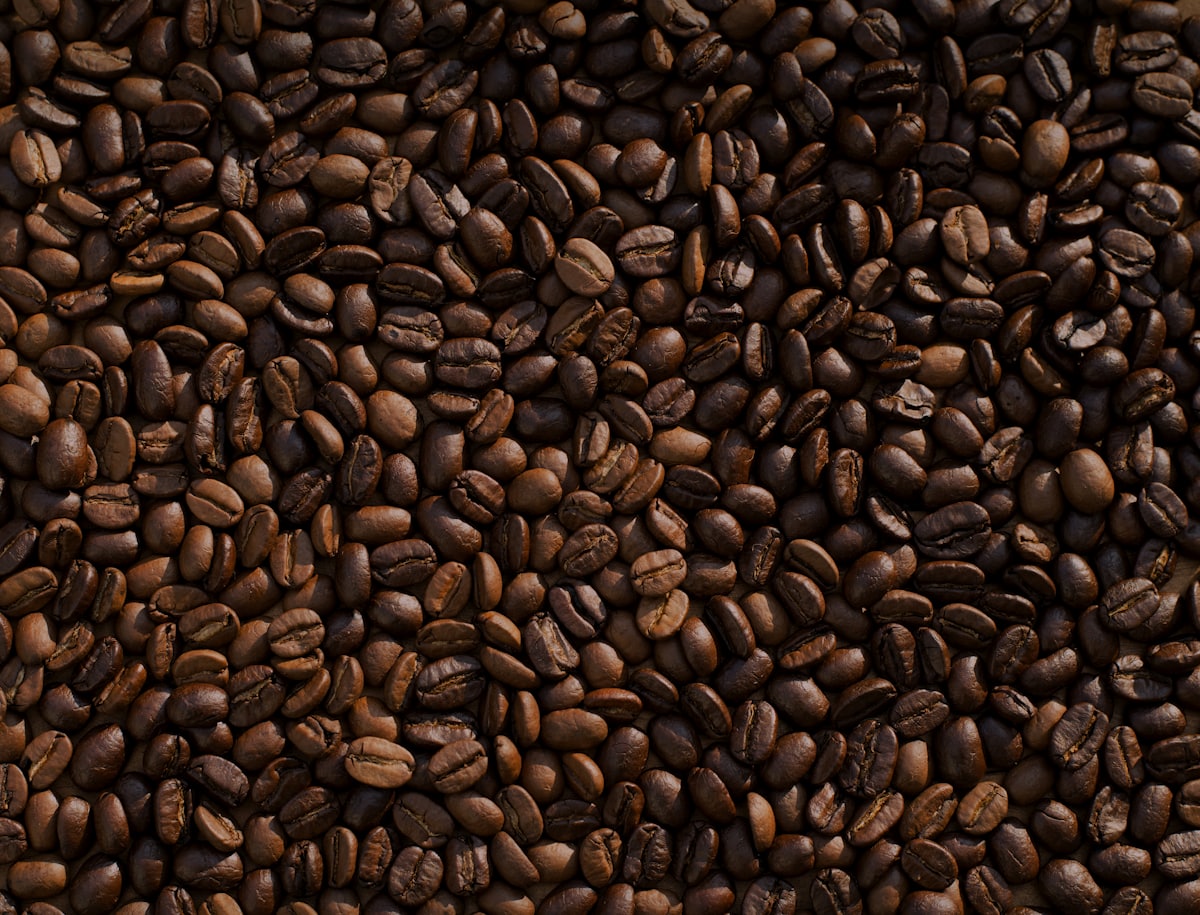
A close-up bed of freshly roasted coffee beans

Disclosure Roast Slow is reader-supported. When you buy through links on this page we may earn an affiliate commission, at no additional cost to you. We only recommend gear we would put on our own counter. As an Amazon Associate we earn from qualifying purchases.

Decaf has a deservedly poor reputation, but the reason is not the lack of caffeine. It is neglect. For decades decaf was the afterthought bin — the oldest beans, the cheapest chemical processing, roasted carelessly because no one expected much. Good decaf upends all of that, and a great cup of it is far closer to real coffee than the stuff that scarred you at a diner. Here is how to find it.

Look for the Swiss Water process

How the caffeine is removed matters enormously. The Swiss Water process uses only water to extract caffeine, with no chemical solvents, and it preserves far more of the bean's flavor than older methods. If a bag says Swiss Water (or sometimes 'mountain water' or 'CO2' process), it is signalling that someone cared. If it says nothing about the process, assume the cheapest method and move on.

Best for a rich, full-bodied cup

If you want decaf that drinks dark and full, with real chocolate and body, this is the easy recommendation — Swiss Water processed, whole bean, and roasted with actual intent.

At a glance

Our picks, compared

Coffee Beans · ~$15 / 10 oz

Kicking Horse Decaf Whole Bean Coffee

Evening cups and the caffeine-sensitive.

Coffee Beans · ~$20 / 16 oz

Volcanica Colombian Swiss Water Decaf

Decaf that still tastes like specialty coffee.

Paid links — we may earn a commission at no extra cost to you.

Best for a bright, specialty cup

If you would rather have clarity and brightness — a decaf that still tastes like a single origin — a fresh-roasted Swiss Water Colombian keeps the origin character intact.

Treat decaf like any other coffee: buy whole bean, grind fresh, check the roast date, and drink it within a few weeks. Decaf actually stales a touch faster than regular, so freshness matters even more. Do that, and the cup you make at home will bear no resemblance to the decaf you have been avoiding.

Common questions

Why does most decaf coffee taste bad?
Usually because of neglect, not the decaffeination itself. Cheap decaf is often made from old beans using harsh chemical processing and roasted carelessly. Decaf made with the Swiss Water process from fresh, well-roasted beans tastes close to regular coffee.
What is the Swiss Water decaf process?
It's a chemical-free method that removes caffeine using only water, temperature, and time, while preserving most of the coffee's natural flavor. Bags labeled Swiss Water are signalling a higher-quality, solvent-free decaf.
Does decaf coffee have any caffeine?
A small amount. Decaffeination removes around 97% or more of the caffeine, so a cup of decaf typically has a few milligrams versus roughly 95 mg in regular coffee — low enough for evening drinking and most caffeine-sensitive people.

About the author

Amaya Okonkwo

Amaya is a sourcing director for a small-batch roastery and has visited more than forty origin farms across East Africa, Central America, and Indonesia.

Keep reading

Ritual

The 4 AM Ritual: How I Stopped Drinking Coffee Like an Amateur

Twelve minutes of silence, a hand-cranked grinder, and a kettle that whistles like an old friend. A field study in slow mornings.

By Iris Marchand

Equipment

Why Your $40 Grinder Is Sabotaging Your Coffee (And What To Buy Instead)

The most expensive bag of beans in the world cannot survive an inconsistent grind. Here is the part of the workflow nobody wants to upgrade — and exactly what to replace it with.

By Tomas Reyes

Origins

A Field Guide to Single-Origin Coffee: From Yirgacheffe to Huila

Coffee is an agricultural product, which means it tastes like a place. A short atlas of the five regions worth ordering this season — and what to expect in the cup.

By Amaya Okonkwo

Buying Guide

The Best Coffee Gear for Beginners: A Complete Starter Setup

You do not need a thousand dollars or a counter full of chrome. You need four things, bought once, in the right order. Here is the whole list.

By Tomas Reyes

Buying Guide

The Best Beginner Espresso Setup (Without Wasting Money)

Most first espresso setups fail for one reason: people spend on the machine and starve the grinder. Here is the pairing that actually pulls great shots at home.

By Tomas Reyes

Buying Guide

The Perfect Pour-Over Starter Kit: Everything You Actually Need

Pour-over looks intimidating from the outside and is gloriously simple once you own five things. Here is the exact kit, and nothing you don't need.

By Iris Marchand

Buying Guide

The Best French Press for Bold, Full-Bodied Coffee

Paper filters strip out the oils that give coffee its weight. If you like a heavier, rounder cup, full immersion is the answer — and it costs almost nothing.

By Amaya Okonkwo

Buying Guide

The Best Cold Brew Coffee Maker (and How to Make It at Home)

Cold brew costs five dollars at the café and about forty cents at home. The gear is cheap, the method is nearly foolproof, and the result is smoother than anything hot.

By Iris Marchand

Buying Guide

How to Make Café-Quality Lattes at Home (Without a $1,000 Machine)

The thing that makes a latte taste like a café latte is not the espresso. It is the milk — and you can get pourable microfoam with gear that costs less than a month of takeaway.

By Tomas Reyes

Buying Guide

The Best Travel Coffee Gear: Great Coffee Anywhere

Hotel coffee is a punishment. Pack three small things and you can brew a genuinely good cup in a hotel room, a tent, or an airport lounge — fresh-ground and all.

By Iris Marchand

Buying Guide

The Best Moka Pot (and How to Use It Without Bitter Coffee)

It is the most-owned coffee maker in Italy and the most-misused everywhere else. The pot costs thirty-five dollars; getting it right costs nothing but a few corrected habits.

By Amaya Okonkwo

Buying Guide

The Best Espresso Accessories That Actually Improve Your Shots

Most espresso gadgets are jewelry. Three of them are not — they remove real variables and make your shots measurably more consistent. Here is what's worth buying and what to skip.

By Tomas Reyes

Buying Guide

The Best Coffee Beans for Beginners: Where to Actually Start

The bean aisle is designed to confuse you. Ignore ninety percent of it. Here are three honest bags — one safe, one specialty, one bold — and how to read a label so you never buy stale coffee again.

By Amaya Okonkwo

Buying Guide

The Best Burr Grinder Under $100

You do not need to spend $300 to escape the blade grinder. Under a hundred dollars there are real burr grinders that will transform your cup — here are the ones worth buying.

By Tomas Reyes

Buying Guide

Pour-Over vs French Press: Which Should You Buy?

They sit at opposite ends of the coffee spectrum — one clean and bright, one heavy and rich. The right choice is not about quality. It is about which cup you actually want to drink.

By Iris Marchand

Buying Guide

Chemex vs V60: Which Pour-Over Is Right for You?

Both are pour-over icons. One makes the cleanest cup in coffee and doubles as a centerpiece; the other is faster, cheaper, and more versatile. Here is how to choose.

By Iris Marchand

Buying Guide

The Best Coffee Scale for Brewing and Espresso

It is the cheapest upgrade that most improves your coffee, and almost nobody owns one. A scale turns guesswork into a recipe you can repeat. Here are the three worth buying.

By Tomas Reyes

Buying Guide

The Best Coffee Storage Canister to Keep Beans Fresh

You buy good beans, then let them go stale in the bag on the counter. The fix costs about thirty dollars and buys you an extra week of good coffee from every bag.

By Amaya Okonkwo

Buying Guide

The Best Electric Gooseneck Kettle for Pour-Over

The kettle is the one pour-over tool that changes how the coffee actually tastes — because it changes how you pour. Here is the budget pick and the one worth saving for.

By Iris Marchand

Buying Guide

How to Use an AeroPress: The Method and Three Recipes

It looks like a science experiment and brews like a dream. The AeroPress is the most forgiving coffee maker there is — here is the method, plus three recipes to grow into.

By Iris Marchand

Buying Guide

Moka Pot vs Espresso Machine: Which Should You Buy?

One costs thirty-five dollars and lives on your stovetop. The other costs five hundred and pulls real shots. The right choice is not about money — it is about what you actually want in the cup.

By Tomas Reyes

Buying Guide

The Best Milk Frother for Coffee at Home

The frother is what stands between you and a café-quality latte — but most of them make bubbles, not microfoam. Here is the difference, and the two worth buying.

By Tomas Reyes

Buying Guide

The Best Portable Espresso Maker for Travel

Real espresso — crema and all — with no machine, no electricity, and no counter. Hand-powered espresso has gotten genuinely good, and it fits in a bag.

By Tomas Reyes

Buying Guide

Coffee-to-Water Ratio: The Complete Guide

The single number that most determines whether your coffee tastes good — and the one most people never measure. Here are the ratios for every method, and how to dial them in.

By Tomas Reyes

Buying Guide

How Much Caffeine Is in Coffee? A Complete Breakdown

A shot of espresso has less caffeine than a mug of drip — which surprises almost everyone. Here is how much caffeine is actually in each kind of coffee, and what changes it.

By Amaya Okonkwo

Buying Guide

The Best Drip Coffee Maker for Better Batch Brew

Most drip machines brew too cool to taste good — that is why batch coffee gets a bad reputation. The two that brew hot enough fix it, and one of them lasts a lifetime.

By Tomas Reyes

Buying Guide

Why Your Espresso Tastes Sour or Bitter: A Troubleshooting Guide

Sour means under-extracted; bitter means over-extracted. Once you can read those two flavors, you can fix almost any shot — and it usually comes down to the grind.

By Tomas Reyes

Buying Guide

The Best Coffee Beans for Espresso

Any coffee can technically be pulled as espresso, but a few are built for it. Here is what makes a great espresso bean — and three bags that deliver crema and sweetness.

By Amaya Okonkwo

Buying Guide

Does Water Matter for Coffee? A Guide to Brew Water

Your cup is about 98% water, and almost nobody thinks about it. The right water can make average beans taste great; the wrong water can ruin the best bag you own.

By Amaya Okonkwo

Buying Guide

Light Roast vs Dark Roast: What's the Difference?

One tastes bright and fruity, the other deep and bold — but almost everything people believe about why is wrong. Here is what roast level actually changes.

By Amaya Okonkwo

Buying Guide

Arabica vs Robusta: What's the Difference?

Nearly all specialty coffee is one species; most cheap coffee and instant is the other. The difference shapes flavor, caffeine, and price — and it is printed on better bags for a reason.

By Amaya Okonkwo