Summer’s here — make a café-grade iced latte at home for under $6 →
Roast SlowA coffee journal · Vol. III
← Back to issue

Buying Guide

03

The Best Espresso Machine Under $500

Under $500 is where home espresso gets real — and where the most money gets wasted. Four machines cover every kind of beginner, from 'just curious' to 'this is my new hobby.' The trap is forgetting the grinder.

Written by

Tomas Reyes

Published

June 21, 2026

Time

8 min

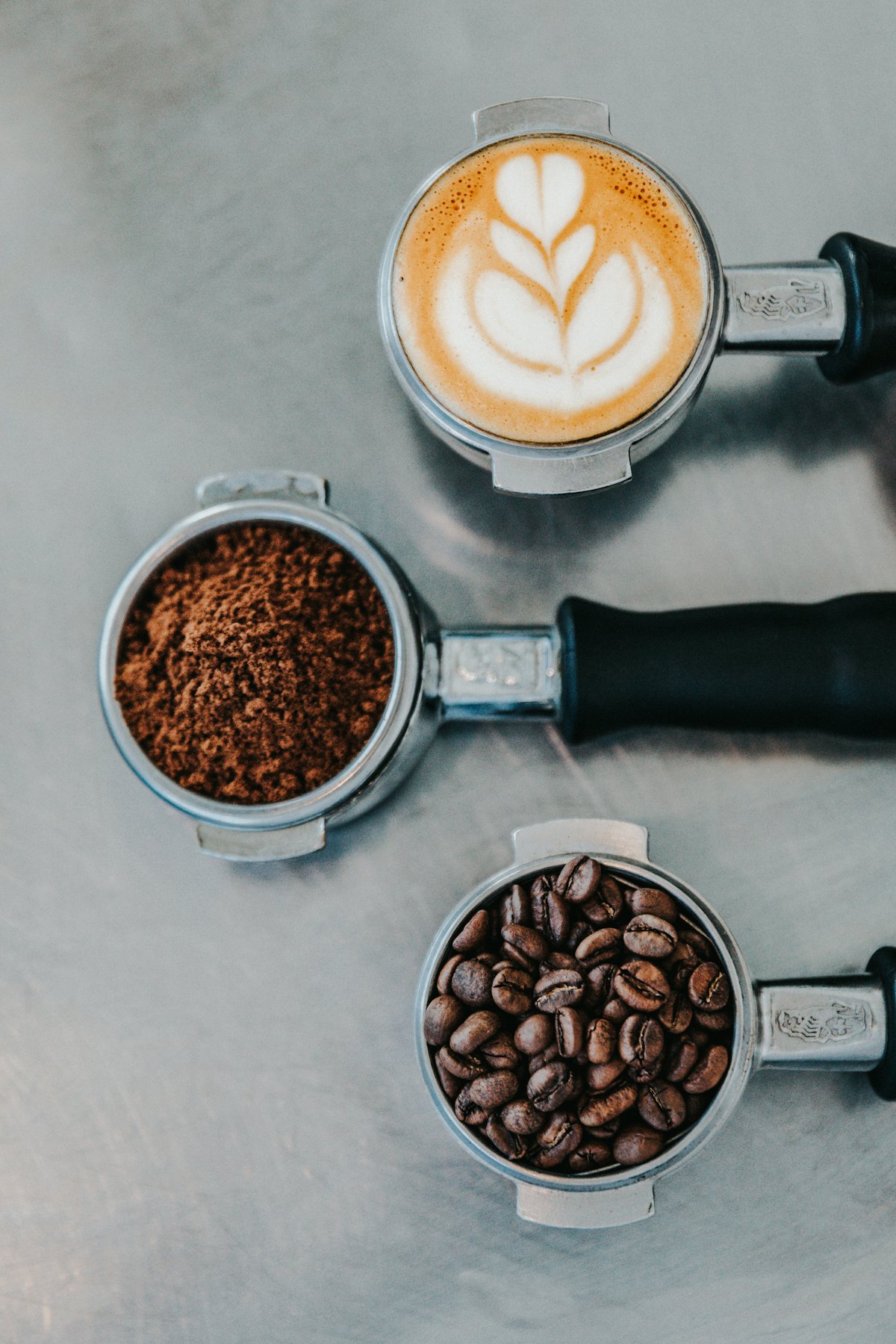
Three espresso portafilters holding latte art, ground coffee, and whole beans

Disclosure Roast Slow is reader-supported. When you buy through links on this page we may earn an affiliate commission, at no additional cost to you. We only recommend gear we would put on our own counter. As an Amazon Associate we earn from qualifying purchases.

Under $500 used to mean compromise. It no longer does. The home-espresso boom pushed real nine-bar machines down into this range, and today the question is not 'is this machine good enough' but 'which kind of beginner are you.' The honest answer changes the recommendation completely — the right machine for someone testing whether they even like making espresso is the wrong machine for someone who already knows it's becoming a hobby.

So this guide is organized by intent, not by score. Four machines, four kinds of person. But before any of them, one warning that will save you the most money and the most disappointment: read the last section about grinders first if you only read one thing.

If you just want to test the waters: De'Longhi Stilosa

If you are not sure espresso is for you and don't want to spend real money to find out, this is the machine. Around $100, it has a proper 15-bar pump and a pressurized basket — the 'training wheels' that force crema even from supermarket pre-ground coffee. It will not make a competition shot, but it makes genuine espresso, takes almost no counter space, and answers the only question that matters at this stage: do you actually enjoy this? If yes, you sell it or hand it down and upgrade. If no, you're out a hundred dollars, not five.

At a glance

Our picks, compared

Espresso Machine · ~$100

De'Longhi Stilosa Manual Espresso Machine

Testing the espresso waters without a serious investment.

Espresso Machine · ~$500

Breville Bambino Plus Espresso Machine

First real espresso machine you won't outgrow in a year.

Espresso Machine · ~$450

Gaggia Classic Evo Pro Espresso Machine

The one machine a budding espresso obsessive keeps for years.

Portable Espresso · ~$120

Flair NEO Flex Manual Espresso Press

Espresso obsessives who want control without a machine.

Grinder · ~$200

Baratza Encore ESP Electric Grinder

People who want a real burr grinder without hand-cranking.

Grinder · ~$160

1Zpresso J-Max Manual Coffee Grinder

The single highest-impact upgrade most home setups can make.

Paid links — we may earn a commission at no extra cost to you.

The no-regrets all-rounder: Breville Bambino Plus

If you already know you want espresso in your life and want to buy once, the Bambino Plus is the machine I recommend most often. It heats up in about three seconds, pulls real pressure-profiled shots, and — crucially for anyone who drinks milk drinks — has automatic steam that textures genuine microfoam without any wand skill. It is small, it is fast, and it does not cap your ceiling: pair it with a good grinder and it makes shots that embarrass machines costing twice as much.

The enthusiast's forever machine: Gaggia Classic Evo Pro

If you can already feel this becoming a hobby — if you're reading about extraction and watching shot videos — buy the machine you'll grow into instead of out of. The Gaggia Classic has a cult following for one reason: it uses a full-size 58 mm commercial portafilter and a steel boiler, and it is endlessly moddable. People run the same Gaggia for fifteen years, adding a PID and tweaking the pressure as their taste sharpens. It demands more of you than the Bambino — there's no automatic milk — but it gives more back.

The no-electricity wildcard: Flair NEO

Not everyone wants a boiler on their counter. A manual lever press pulls espresso by hand — you control the pressure yourself — and the best of them make shots that rival machines costing far more, for around $120 and zero electricity. It's slower, it's hands-on, and it's the most satisfying way to learn what espresso actually is. It's also the only one on this list you can take to a cabin.

Read this before you buy any machine: the grinder

Here is the mistake that wastes more espresso money than any other: spending the whole budget on the machine and grinding with a blade grinder or buying pre-ground. Espresso is the most grind-sensitive brewing method there is. A shot's entire quality — whether it runs sour and fast or bitter and choked — depends on a fine, uniform, adjustable grind that only a burr grinder can produce. A $300 machine fed by a $20 blade grinder makes worse espresso than a $150 machine fed by a real burr grinder.

So budget for the grinder from the start. If you want to stay all-electric, a dedicated espresso burr grinder is the partner; if you don't mind cranking, a hand grinder gives you espresso-grade adjustment for less money. Either way: do not let the machine eat the entire budget.

Common questions

What is the best espresso machine under $500?
For most people it's the Breville Bambino Plus: it heats in seconds, pulls real espresso, and auto-textures milk for lattes. If you're only testing whether you like espresso, the ~$100 De'Longhi Stilosa is the low-risk pick; if you can tell it's becoming a hobby, the Gaggia Classic Evo Pro is the moddable machine you'll keep for years. All three are excellent — the right one depends on how committed you already are.
Do I need a separate grinder for an espresso machine?
Yes, and it matters more than the machine itself. Espresso is extremely sensitive to grind size and uniformity, which only a burr grinder can deliver — a blade grinder or pre-ground coffee will bottleneck even an excellent machine. Always budget for a dedicated espresso burr grinder (electric or manual) alongside the machine.
Is the Breville Bambino Plus or Gaggia Classic better?
The Bambino Plus is faster, smaller, and has automatic milk frothing — better for someone who wants great espresso with minimal fuss. The Gaggia Classic Evo Pro uses a commercial 58 mm portafilter and is endlessly upgradeable, making it the better long-term hobby machine for someone who wants to learn manual milk steaming and tinker over the years.
Can you make good espresso for under $200?
Yes. A De'Longhi Stilosa (around $100) or a manual Flair NEO lever press (around $120) both make genuine espresso well under $200. The catch is the grinder: pair either with a real burr grinder rather than pre-ground coffee, or the shots will never reach their potential regardless of the machine.

About the author

Tomas Reyes

Tomas is a coffee equipment reviewer and former Q-grader. He has tested over 200 home grinders in the last eight years and writes a quarterly buyer's guide.

Keep reading

Buying Guide

How to Make an Iced Latte at Home (and Stop Paying $6 for One)

An iced latte is two things done well: a small shot of strong coffee and cold milk over ice. Here is how to make a café-grade one with whatever you already own — and the small upgrades that make it better.

By Iris Marchand

Buying Guide

The Best Coffee for Cold Brew (and the Roasts to Avoid)

Cold brew flatters some beans and wastes others. The cold water mutes acidity and pulls out body — so the bean that makes a stunning pour-over can make a flat, hollow cold brew. Here is what to actually buy.

By Amaya Okonkwo

Buying Guide

AeroPress vs French Press: Which Should You Buy?

Both are cheap, nearly unbreakable, and beloved — but they make almost opposite cups. One is clean and bright, the other heavy and rich. Here's how to pick the right one the first time.

By Tomas Reyes

Buying Guide

Cold Brew vs Iced Coffee: What's the Difference?

People use the names interchangeably. They're not the same drink — they're made differently, taste differently, and one of them is quietly far more caffeinated. Here's the real distinction.

By Amaya Okonkwo

Buying Guide

The Best Coffee Gifts for Dad: Father's Day 2026 Gift Guide

Father's Day is June 21. Skip the novelty mug. Here are the coffee gifts dads actually use every morning for the next decade — at every budget, all ship in time.

By Tomas Reyes

Buying Guide

The Best Iced Coffee Setup for Summer: Cold Brew, Flash Brew, and the Gear That Matters

Watery iced coffee is a solved problem. Two methods and three affordable pieces of gear cover every hot afternoon between now and September.

By Amaya Okonkwo

Ritual

The 4 AM Ritual: How I Stopped Drinking Coffee Like an Amateur

Twelve minutes of silence, a hand-cranked grinder, and a kettle that whistles like an old friend. A field study in slow mornings.

By Iris Marchand

Equipment

Why Your $40 Grinder Is Sabotaging Your Coffee (And What To Buy Instead)

The most expensive bag of beans in the world cannot survive an inconsistent grind. Here is the part of the workflow nobody wants to upgrade — and exactly what to replace it with.

By Tomas Reyes

Origins

A Field Guide to Single-Origin Coffee: From Yirgacheffe to Huila

Coffee is an agricultural product, which means it tastes like a place. A short atlas of the five regions worth ordering this season — and what to expect in the cup.

By Amaya Okonkwo

Buying Guide

The Best Coffee Gear for Beginners: A Complete Starter Setup

You do not need a thousand dollars or a counter full of chrome. You need four things, bought once, in the right order. Here is the whole list.

By Tomas Reyes

Buying Guide

The Best Beginner Espresso Setup (Without Wasting Money)

Most first espresso setups fail for one reason: people spend on the machine and starve the grinder. Here is the pairing that actually pulls great shots at home.

By Tomas Reyes

Buying Guide

The Perfect Pour-Over Starter Kit: Everything You Actually Need

Pour-over looks intimidating from the outside and is gloriously simple once you own five things. Here is the exact kit, and nothing you don't need.

By Iris Marchand

Buying Guide

The Best French Press for Bold, Full-Bodied Coffee

Paper filters strip out the oils that give coffee its weight. If you like a heavier, rounder cup, full immersion is the answer — and it costs almost nothing.

By Amaya Okonkwo

Buying Guide

The Best Cold Brew Coffee Maker (and How to Make It at Home)

Cold brew costs five dollars at the café and about forty cents at home. The gear is cheap, the method is nearly foolproof, and the result is smoother than anything hot.

By Iris Marchand

Buying Guide

How to Make Café-Quality Lattes at Home (Without a $1,000 Machine)

The thing that makes a latte taste like a café latte is not the espresso. It is the milk — and you can get pourable microfoam with gear that costs less than a month of takeaway.

By Tomas Reyes

Buying Guide

The Best Travel Coffee Gear: Great Coffee Anywhere

Hotel coffee is a punishment. Pack three small things and you can brew a genuinely good cup in a hotel room, a tent, or an airport lounge — fresh-ground and all.

By Iris Marchand

Buying Guide

The Best Moka Pot (and How to Use It Without Bitter Coffee)

It is the most-owned coffee maker in Italy and the most-misused everywhere else. The pot costs thirty-five dollars; getting it right costs nothing but a few corrected habits.

By Amaya Okonkwo

Buying Guide

The Best Espresso Accessories That Actually Improve Your Shots

Most espresso gadgets are jewelry. Three of them are not — they remove real variables and make your shots measurably more consistent. Here is what's worth buying and what to skip.

By Tomas Reyes

Buying Guide

The Best Coffee Beans for Beginners: Where to Actually Start

The bean aisle is designed to confuse you. Ignore ninety percent of it. Here are three honest bags — one safe, one specialty, one bold — and how to read a label so you never buy stale coffee again.

By Amaya Okonkwo

Buying Guide

The Best Burr Grinder Under $100

You do not need to spend $300 to escape the blade grinder. Under a hundred dollars there are real burr grinders that will transform your cup — here are the ones worth buying.

By Tomas Reyes

Buying Guide

Pour-Over vs French Press: Which Should You Buy?

They sit at opposite ends of the coffee spectrum — one clean and bright, one heavy and rich. The right choice is not about quality. It is about which cup you actually want to drink.

By Iris Marchand

Buying Guide

Chemex vs V60: Which Pour-Over Is Right for You?

Both are pour-over icons. One makes the cleanest cup in coffee and doubles as a centerpiece; the other is faster, cheaper, and more versatile. Here is how to choose.

By Iris Marchand

Buying Guide

The Best Coffee Scale for Brewing and Espresso

It is the cheapest upgrade that most improves your coffee, and almost nobody owns one. A scale turns guesswork into a recipe you can repeat. Here are the three worth buying.

By Tomas Reyes

Buying Guide

The Best Coffee Storage Canister to Keep Beans Fresh

You buy good beans, then let them go stale in the bag on the counter. The fix costs about thirty dollars and buys you an extra week of good coffee from every bag.

By Amaya Okonkwo

Buying Guide

The Best Electric Gooseneck Kettle for Pour-Over

The kettle is the one pour-over tool that changes how the coffee actually tastes — because it changes how you pour. Here is the budget pick and the one worth saving for.

By Iris Marchand

Buying Guide

The Best Decaf Coffee That Actually Tastes Good

Decaf earned its bad reputation honestly — most of it is stale and badly processed. But good decaf exists, and it is closer to real coffee than you remember. Here is where to find it.

By Amaya Okonkwo

Buying Guide

How to Use an AeroPress: The Method and Three Recipes

It looks like a science experiment and brews like a dream. The AeroPress is the most forgiving coffee maker there is — here is the method, plus three recipes to grow into.

By Iris Marchand

Buying Guide

Moka Pot vs Espresso Machine: Which Should You Buy?

One costs thirty-five dollars and lives on your stovetop. The other costs five hundred and pulls real shots. The right choice is not about money — it is about what you actually want in the cup.

By Tomas Reyes

Buying Guide

The Best Milk Frother for Coffee at Home

The frother is what stands between you and a café-quality latte — but most of them make bubbles, not microfoam. Here is the difference, and the two worth buying.

By Tomas Reyes

Buying Guide

The Best Portable Espresso Maker for Travel

Real espresso — crema and all — with no machine, no electricity, and no counter. Hand-powered espresso has gotten genuinely good, and it fits in a bag.

By Tomas Reyes

Buying Guide

Coffee-to-Water Ratio: The Complete Guide

The single number that most determines whether your coffee tastes good — and the one most people never measure. Here are the ratios for every method, and how to dial them in.

By Tomas Reyes

Buying Guide

How Much Caffeine Is in Coffee? A Complete Breakdown

A shot of espresso has less caffeine than a mug of drip — which surprises almost everyone. Here is how much caffeine is actually in each kind of coffee, and what changes it.

By Amaya Okonkwo

Buying Guide

The Best Drip Coffee Maker for Better Batch Brew

Most drip machines brew too cool to taste good — that is why batch coffee gets a bad reputation. The two that brew hot enough fix it, and one of them lasts a lifetime.

By Tomas Reyes

Buying Guide

Why Your Espresso Tastes Sour or Bitter: A Troubleshooting Guide

Sour means under-extracted; bitter means over-extracted. Once you can read those two flavors, you can fix almost any shot — and it usually comes down to the grind.

By Tomas Reyes

Buying Guide

The Best Coffee Beans for Espresso

Any coffee can technically be pulled as espresso, but a few are built for it. Here is what makes a great espresso bean — and three bags that deliver crema and sweetness.

By Amaya Okonkwo

Buying Guide

Does Water Matter for Coffee? A Guide to Brew Water

Your cup is about 98% water, and almost nobody thinks about it. The right water can make average beans taste great; the wrong water can ruin the best bag you own.

By Amaya Okonkwo

Buying Guide

Light Roast vs Dark Roast: What's the Difference?

One tastes bright and fruity, the other deep and bold — but almost everything people believe about why is wrong. Here is what roast level actually changes.

By Amaya Okonkwo

Buying Guide

Arabica vs Robusta: What's the Difference?

Nearly all specialty coffee is one species; most cheap coffee and instant is the other. The difference shapes flavor, caffeine, and price — and it is printed on better bags for a reason.

By Amaya Okonkwo